
How Much Does a Paver Patio Cost in Chester County, PA? A Homeowner's Guide
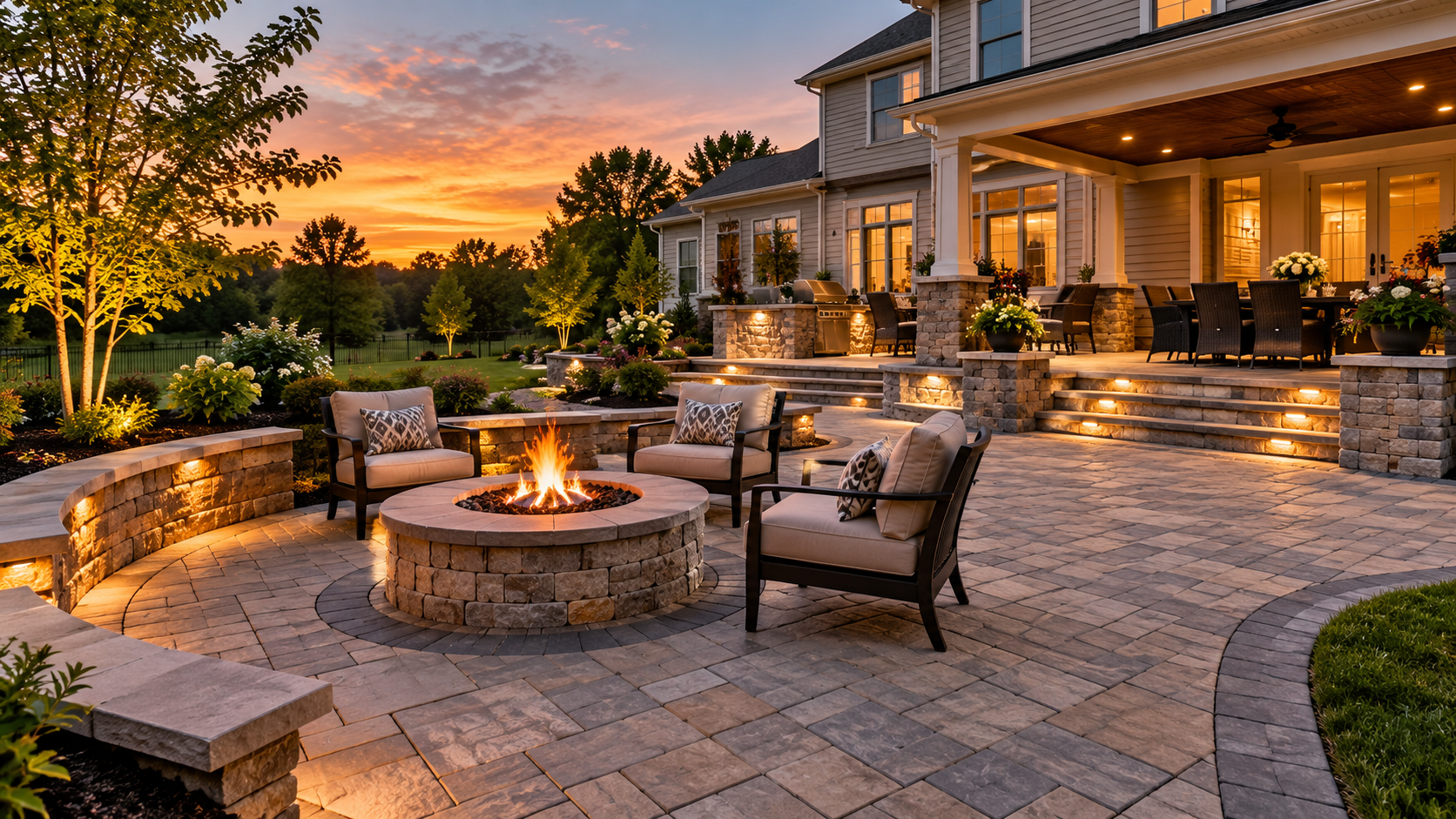
2026 Paver Patio Pricing, Installation Costs & Everything You Need to Know Before Building
A beautifully designed paver patio can completely transform your backyard, creating the perfect space for outdoor dining, entertaining, relaxing, and spending time with family and friends. But before starting a project, most homeowners have one important question:
How much does a paver patio cost in Chester County, Pennsylvania?
The answer depends on several factors, including patio size, paver materials, excavation requirements, property accessibility, and the complexity of the design.
In 2026, homeowners throughout Chester County can generally expect professionally installed paver patios to cost approximately $18 to $40 or more per square foot, with premium materials and elaborate outdoor living features increasing the investment.
At Long Meadow Lawn & Landscape, we help homeowners throughout Chester County and surrounding communities create beautiful, functional outdoor spaces through professional paver patio design and installation.
In this guide, we'll explain what affects patio pricing, how much different-sized patios may cost, and what to consider when planning your outdoor improvement project.
Average Paver Patio Cost in Chester County, PA
What Should You Budget for a New Patio?
Paver patio installation costs vary considerably based on the design, materials, and conditions of your property.
A simple rectangular patio installed on a relatively level, accessible property will generally cost less than a custom patio requiring extensive grading, retaining walls, steps, or specialty materials.
For budgeting purposes, the following table shows estimated installation costs using a broad range of $18–$40 per square foot.
Patio Size Square Footage Estimated Cost
10' × 20' 200 sq. ft. $3,600–$8,000
15' × 20' 300 sq. ft. $5,400–$12,000
20' × 20' 400 sq. ft. $7,200–$16,000
20' × 30' 600 sq. ft. $10,800–$24,000+
These figures are general 2026 regional budgeting estimates for professionally installed patios, not Long Meadow Lawn & Landscape quotes. Actual pricing may be higher depending on site conditions, materials, construction requirements, and optional features. Fire pits, retaining walls, steps, lighting, and other upgrades are not included.
For homeowners planning larger or more elaborate outdoor living spaces, the overall investment can increase significantly.
The best way to understand your actual project cost is to request a customized estimate based on your property's specific conditions and your desired design.
1. Patio Size: One of the Biggest Pricing Factors
How Big Should Your Paver Patio Be?
The total square footage of your patio plays an important role in determining its cost.
A smaller patio may provide enough space for a grill and a compact outdoor dining set, while a larger installation can accommodate separate dining, lounging, and entertaining areas.
When planning your patio, consider how you intend to use the space.
Small Patios — Approximately 150–250 Square Feet
Ideal for smaller backyards, intimate seating areas, and outdoor dining spaces.
Medium Patios — Approximately 300–500 Square Feet
A popular option for homeowners who want room for a dining table, grill, outdoor furniture, and comfortable entertaining.
Large Patios — 600 Square Feet or More
Well suited for expansive backyards, larger gatherings, multiple seating areas, and customized outdoor living environments.
Larger patios generally cost more overall, although some fixed installation expenses can be distributed across additional square footage.
Choosing the right size from the beginning can help create a more functional patio while avoiding unnecessary construction expenses.
2. Paver Materials: Choosing the Right Style & Quality
Your Material Selection Can Change the Price
One of the advantages of installing a paver patio is the wide selection of available styles, colors, textures, and patterns.
The materials you select influence both your patio's appearance and overall installation cost.
Standard Concrete Pavers
Concrete pavers are a popular choice for residential patios because they offer durability, versatility, and numerous design options.
They are available in different shapes, finishes, and colors, making it possible to create patios that complement traditional colonial homes, modern properties, and everything in between.
Standard concrete pavers are often among the more economical options for professional patio installation.
Premium Concrete Pavers
Premium pavers offer additional design possibilities, including larger formats, distinctive textures, and appearances that resemble natural stone.
These materials can create an upscale outdoor environment while maintaining the benefits of manufactured pavers.
Specialty finishes, larger paver sizes, and intricate layouts can increase material and installation costs.
Natural Stone Patios
Natural stone materials, such as bluestone and flagstone, offer distinctive textures and variations that create a timeless appearance.
Because natural stone can require different preparation, cutting, and installation techniques, these projects often carry higher costs than basic concrete pavers.
The ideal material depends on your design preferences, anticipated use, maintenance expectations, and overall budget.
3. Site Preparation & Excavation Costs
What's Beneath Your Patio Matters Just as Much as What's on Top
One of the most important factors in patio installation is proper site preparation.
Although the finished pavers are the most visible part of your project, the supporting base beneath them plays a critical role in long-term performance.
Professional patio installation typically involves several important steps:
- Evaluating existing ground conditions
- Excavating the installation area
- Preparing and compacting the underlying soil
- Installing an appropriate aggregate base
- Establishing proper grading and drainage
- Preparing the bedding layer
- Installing and aligning the selected pavers
- Completing edge restraints and paver joints
The amount of excavation and base preparation required depends on soil conditions, expected use, drainage requirements, and the installation system.
Why This Matters in Chester County
Many Chester County properties contain clay-rich soils, sloped yards, and areas where moisture can accumulate.
Pennsylvania's seasonal freezing and thawing also makes proper base preparation and drainage especially important.
If the supporting structure is improperly prepared, a patio may develop uneven surfaces, settling, or drainage problems over time.
Investing in appropriate installation practices from the beginning helps protect your long-term investment.
4. Property Grading, Drainage & Accessibility
Why Two Similar Patios Can Have Very Different Prices
Two homeowners may request patios of the same size and select similar materials but receive substantially different estimates.
Why?
Because their properties may require very different amounts of preparation.
Consider these common situations.
Level Backyard With Easy Access
A relatively flat yard with adequate drainage and convenient equipment access can simplify excavation and installation.
Sloped Backyard
Properties with significant elevation changes may require additional excavation, fill, grading, steps, or retaining walls to create a usable patio area.
Limited Backyard Access
Narrow side yards, fences, established landscaping, and difficult equipment access may require additional manual labor or specialized equipment.
Drainage Challenges
Properties with standing water or runoff problems may require drainage improvements before installation.
These conditions can influence equipment requirements, labor, materials, and the overall project schedule.
At Long Meadow Lawn & Landscape, we believe evaluating site conditions before construction is an important part of planning a successful hardscape project.
5. Custom Features That Increase Patio Costs
Transform a Basic Patio Into an Outdoor Living Space
A paver patio can be much more than a simple paved surface.
Many homeowners throughout Chester County choose to incorporate additional features that improve comfort, functionality, and visual appeal.
Popular patio upgrades include:
Built-In Fire Pits
Create a welcoming gathering area where family and friends can enjoy cool Pennsylvania evenings.
Seating Walls
Add permanent seating while defining different areas of your outdoor space.
Retaining Walls
Help manage elevation changes and create more functional outdoor areas on sloped properties.
Paver Steps
Provide attractive transitions between patios, yards, entrances, and other elevations.
Decorative Borders & Patterns
Introduce contrasting colors, interesting patterns, and custom design elements to give your patio a distinctive appearance.
Outdoor Lighting
Illuminate steps, seating areas, and landscape features to improve nighttime visibility and ambiance.
Each additional feature affects the overall project scope and should be discussed during the design and estimating process.
Is a Paver Patio Worth the Investment?
More Than Just an Outdoor Improvement
For many homeowners, a professionally installed paver patio is an investment in how they enjoy their property.
A thoughtfully designed patio can provide a comfortable gathering space, improve backyard functionality, and contribute to a home's overall appeal.
Benefits of a professional paver patio include:
- Expanded Living Space: Create an outdoor extension of your home for dining, relaxing, and entertaining.
- Improved Curb Appeal: Enhance the appearance of your backyard with attractive materials and thoughtful design.
- Long-Term Durability: Properly installed paving systems are designed to withstand regular use and seasonal weather.
- Flexible Design Options: Choose from different colors, patterns, textures, and materials.
- Repairability: Individual damaged pavers can often be replaced without removing the entire patio.
- Property Appeal: An attractive outdoor living area may make your property more desirable to future buyers.
While a patio can enhance a property's appeal, the financial return at resale depends on local market conditions, the quality of the installation, and the overall project cost.
Paver Patio vs. Concrete Patio: Which Is Better?
Homeowners frequently compare paver patios with traditional poured concrete when planning outdoor improvements.
Both materials have advantages.
Paver Patios
Pavers offer extensive design flexibility, distinctive finishes, and the ability to repair individual sections.
They can be arranged in decorative patterns and often complement residential landscaping and custom outdoor living spaces.
Poured Concrete Patios
Traditional poured concrete can offer a more economical option for some projects, especially when a simple, uniform surface is desired.
However, concrete and paver systems have different installation requirements, appearance options, maintenance considerations, and repair methods.
The best choice depends on your budget, aesthetic preferences, and intended use.
For homeowners looking for a customized outdoor environment with distinctive colors, textures, and patterns, professionally installed pavers are an attractive option.
How Long Does Paver Patio Installation Take?
The installation timeline depends on patio size, site preparation, material availability, design complexity, and weather conditions.
A relatively straightforward patio on accessible, level ground may be completed within several working days.
Larger patios or projects involving substantial excavation, retaining walls, multiple elevations, or specialized features may require additional time.
Permitting and material lead times can also affect when construction begins.
A professional site evaluation provides a better understanding of the expected schedule for your specific project.
Do You Need a Permit for a Paver Patio in Chester County?
Permit requirements vary by municipality.
Depending on your property's location and the proposed project, zoning approvals, stormwater requirements, setbacks, impervious surface limits, or additional permits may apply.
For example, a patio installed in West Chester Borough may be subject to different requirements than a patio located in East Bradford Township, Kennett Square, or Oxford.
Homeowners should verify applicable requirements with their local municipality before construction begins.
It's also important to understand that choosing permeable pavers does not automatically exempt a project from local stormwater or zoning requirements.
Planning for any required approvals early helps avoid unnecessary delays.
How to Save Money on Your Paver Patio Without Sacrificing Quality
Smart Design Decisions Can Make a Difference
A beautiful outdoor living space doesn't always require the largest or most elaborate design.
Here are several ways to manage your patio budget effectively.
Choose a Practical Patio Size
Design your patio around how you'll actually use the space. Avoid adding unnecessary square footage simply because your yard can accommodate it.
Consider Standard Paver Materials
Modern concrete pavers offer attractive colors and patterns that can create a beautiful finished result without the expense of premium specialty materials.
Keep the Layout Simple
Rectangular patios and straightforward layouts may require less cutting and labor than intricate curved designs.
Plan for Future Additions
If you're considering a fire pit, seating wall, or additional landscaping later, discuss those plans before installation so the initial design can accommodate potential future improvements.
Prioritize Proper Base Preparation
Reducing the quality of excavation, compaction, or drainage work is rarely a good way to save money.
A well-planned patio should balance the initial project budget with long-term durability and performance.
Why Choose Long Meadow Lawn & Landscape for Your Patio Installation?
Quality Craftsmanship & Personalized Hardscape Design
At Long Meadow Lawn & Landscape, we understand that a new patio represents a meaningful investment in your home.
Our goal is to help homeowners create outdoor spaces that combine beauty, functionality, and lasting enjoyment.
From discussing your initial ideas to evaluating your property's layout and preparing the installation area, we focus on thoughtful planning and professional workmanship.
Whether you're envisioning a simple backyard patio, a custom paver entertainment area, or an outdoor living space with additional hardscape features, our team is ready to help explore your options.
We proudly serve Chester County and consider larger hardscaping projects throughout surrounding Southeastern Pennsylvania communities.
How much does a 20 × 20 paver patio cost in Chester County, PA?
A 20-by-20-foot patio contains 400 square feet. Using a general installed pricing range of $18–$40 per square foot, homeowners might budget approximately $7,200–$16,000 or more, depending on materials, site conditions, and design features.
What is the most affordable type of paver patio?
Standard concrete pavers installed in a simple layout are often among the more economical choices. The final cost also depends on excavation, base construction, drainage, and property accessibility.
Do larger patios cost less per square foot?
Sometimes. Larger patios can spread certain fixed project expenses across more square footage. However, the total project cost still increases with size, and complex features may offset potential savings.
How long do paver patios last?
A properly designed, installed, and maintained paver patio can provide decades of service. Longevity depends on base construction, drainage, product quality, environmental conditions, and maintenance.
Can a paver patio be installed on a sloped yard?
Yes, many sloped properties can accommodate a paver patio. Depending on the grade, additional excavation, retaining walls, or steps may be required to create a suitable installation area.
Do paver patios require maintenance?
Paver patios are generally relatively low-maintenance. Periodic cleaning, removing debris, managing weeds in the joints, and replenishing joint material when needed can help maintain their appearance and performance.
What time of year is best to install a paver patio in Pennsylvania?
Spring, summer, and fall are common installation seasons. Work may also be possible during suitable winter weather, but frozen ground, precipitation, and temperature-sensitive materials can affect scheduling.
How can I get an accurate paver patio estimate?
The best approach is to have a hardscaping professional evaluate your property, discuss your desired patio dimensions and materials, and identify any site preparation or drainage requirements.
